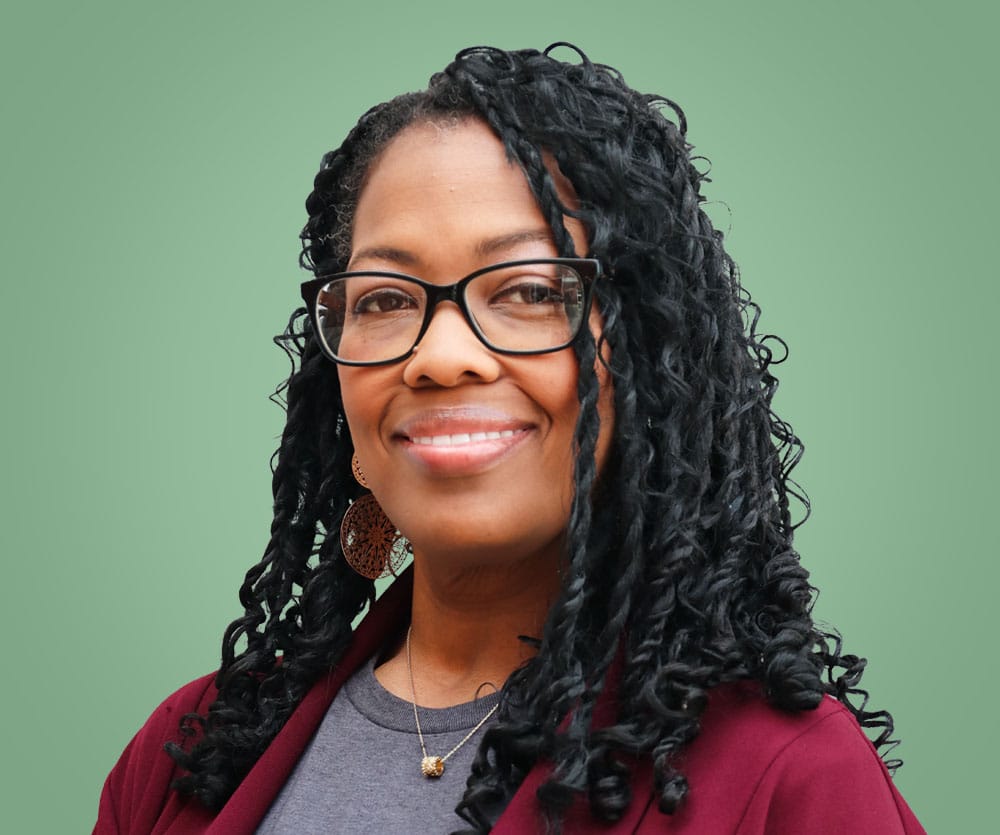
Kera Reterstoff


March 2026 Honoree
Kera Reterstoff
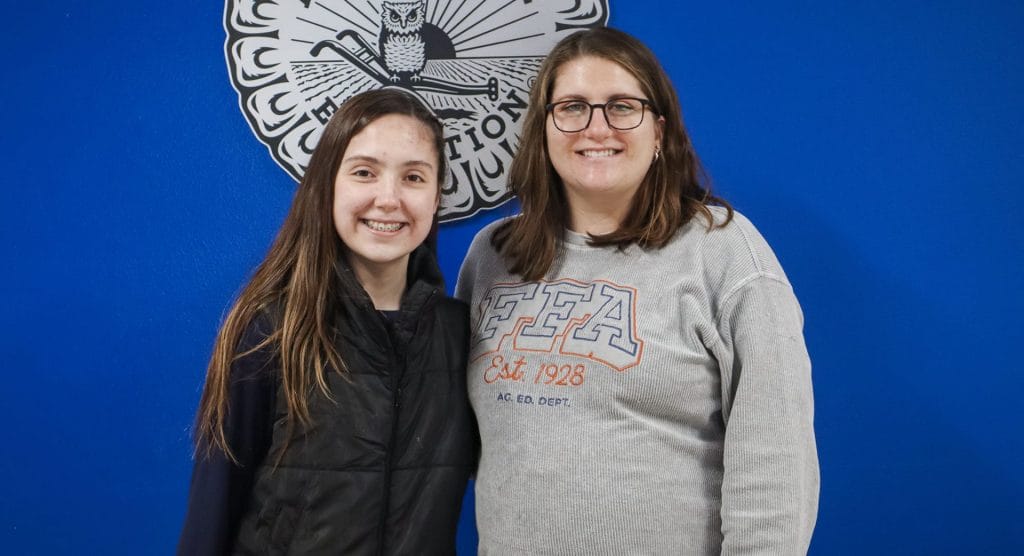
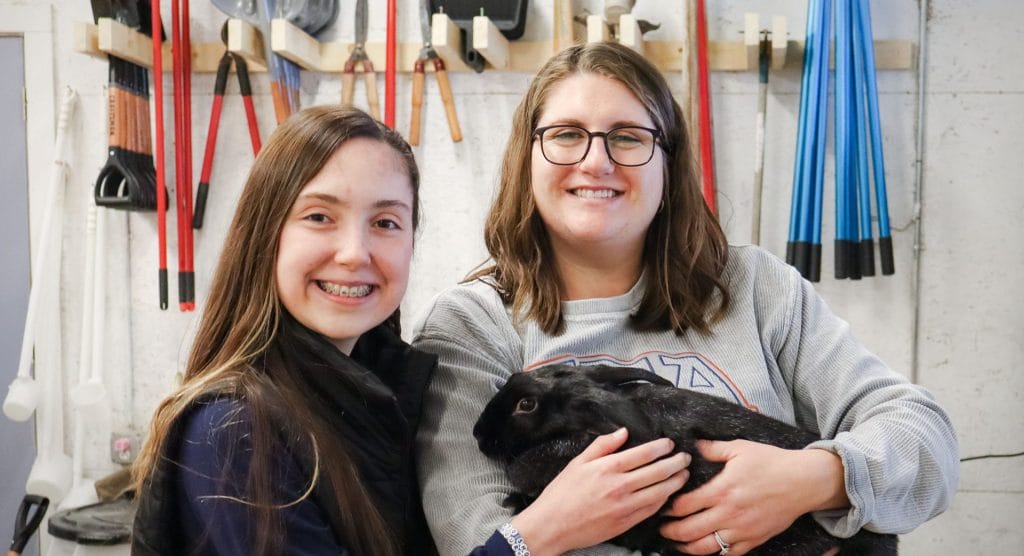
with her student, Kodi Hackenberg
Ravenna High School
, Ravenna
, Michigan
Sponsored by: Ambassador Howard & Gretchen Leach
Available On:


LISTEN TO THE EPISODE
"The biggest thing I see in kids as they move through our agriscience program is their real-world connectedness."
Mrs. Reterstoff
"[FFA] is not always the easiest thing, and [Mrs. Reterstoff] devotes all of her time to us. I'm just really appreciative of all her hard work."
Kodi Hackenberg
"It's nice to see [Kodi] coming out of her shell, going out of her box more often, and trying new things and continuing to be confident in new things."
Jamie Hackenberg
"[FFA] is a huge leadership development organization. It has roots based in agriculture, but it has expanded a lot over the last 15 to 20 years."
Mrs. Reterstoff
"When I joined FFA, everybody was super inclusive and inviting. It was a lot of fun. It didn't really matter if you were good at it or not; you were just invited and welcome, and you felt like everybody wanted you to be there."
Kodi Hackenberg
"[FFA] has definitely helped [Kodi] with time management and teaching her how to be more confident in talking to her teachers and approaching problems when she has them."
Jamie Hackenberg
"Our goal as teachers in high school is to help prepare them to go out and be real-world-ready adults who can make a change in the world."
Mrs. Reterstoff
"College and Career Readiness really exposed me to all the different careers and ones that I would be willing to explore, and ones that are not for me."
Kodi Hackenberg
"I think [relationship-building] comes down to being 100%. The person I am as a teacher is not any different than the person I am when I leave the building."
Mrs. Reterstoff
"On a personal level, I think Kodi feels like she has this resource that she can confide in and trust to ask the hard questions."
Jamie Hackenberg
"To see kids have a desire to want to be successful at something, put in the work, and then be successful is really valuable for me as an educator."
Mrs. Reterstoff
Description
This month, we are celebrating National Agriculture Week to recognize and celebrate the contribution of agriculture in our everyday lives. In recognition of this celebration, we are honored to share the story of our March Honoree, Kera Reterstoff.
Kera Reterstoff, a high school Agriscience teacher and FFA Advisor at Ravenna High School in Ravenna, Michigan, is the recipient of our March 2026 Honored National Teaching Award. She was nominated for this award by her student, Kodi. Joining Mrs. Reterstoff in this episode are Kodi and Kodi’s mom, Jamie.
You’ll hear about:
- Mrs. Reterstoff’s journey to becoming a teacher.
- The impact Mrs. Reterstoff has had on Kodi and her family.
- Mrs. Reterstoff’s dedication to agriscience and FFA.
- Mrs. Reterstoff’s passion for ensuring her students leave high school feeling prepared for their futures.
You’ll also hear from Brent DeSaegher, the 2025-2026 Michigan FFA State President. He shares about a teacher who left an incredible impact on their journey in our segment “Teachers Who Inspired”. Brent DeSaegher graduated from Ithaca High School in 2025, and is currently at Michigan State University studying biosystems engineering, with the intention of becoming an agriculture engineer. Growing up on his family’s dairy farm, he has always had a deep passion for agriculture. This fondness deepened when he entered high school, and began taking agriscience classes. Not only did this foster his interest in agriculture and its relation to science, but also led him to be passionate in advocating for agriculture, and what quickly became his other passion: FFA. Through FFA, he was able to expand his leadership and knowledge, all of which culminated in his year of service as the Michigan FFA State President.
Links Mentioned
- Nominate a teacher for our Honored National Teaching Award: https://www.honored.org/nominate/
- Read the incredible nomination for Mrs. Reterstoff: https://www.honored.org/nominees/kera-reterstoff/
- Learn more about FFA: https://www.ffa.org/
- Follow us on Instagram: https://www.instagram.com/honored/
- Follow us on Twitter: https://x.com/honored/
- Follow us on Facebook: https://www.facebook.com/Honored.org/
- Follow us on LinkedIn: https://www.linkedin.com/company/honored.org
- Follow us on TikTok: https://www.tiktok.com/@honoredteachers
Credits
-
- Music by DanaMusic: https://pixabay.com/users/danamusic-31920663/
- Music by AudioCoffee: https://www.audiocoffee.net/
Transcript
MRS. RETERSTOFF: The biggest thing I think I see in kids as they kind of move through our agriscience program is their real-world connectedness. So being able to take something that we talk about in class and have a real-world application. A lot of them will come back and say, “Hey, I was out this weekend, and I noticed, like, X, Y, or Z.” And that, to me, is a really important life skill, that kids can make those connections.
HANNAH BOWYER-RIVETTE: Hello everybody, and welcome back to Inspiring Teachers: The Honored Podcast, where we shine a spotlight on life-changing teachers across the country. I’m Hannah, your podcast host, and our podcast is brought to you by Honored, which is a national nonprofit organization dedicated to honoring and elevating great teachers nationwide. Every month of the school year at Honored, we select an exceptional educator in the United States to be the recipient of the $5,000 Honored National Teaching Award. To learn more about our organization, you can go to our website at honored.org.
We are so excited to have you listening in on another Honoree podcast episode. This month, we are celebrating National Agriculture Week to recognize and celebrate the contribution of agriculture in our everyday lives. In recognition of this celebration, we are honored to share the story of our March Honoree, Kera Reterstoff, a high school agriscience teacher and FFA Advisor at Ravenna High School in Ravenna, Michigan. She was nominated for this award by her student, Kodi Hackenberg. To help share the impact of Mrs. Reterstoff’s teaching, we are joined today by Kodi and Kodi’s mom, Jamie.
Before we dive into Mrs. Reterstoff’s story, we are excited to kick off our Honoree episode with our special segment, ‘Teachers Who Inspired’, where we invite individuals to share a story about a teacher who had a lasting impact on their lives. Today, we’re thrilled to have our guest on our special segment, Brent DeSaegher, the 2025-2026 Michigan FFA State President. He graduated from Ithaca High School in 2025 and is currently at Michigan State University studying biosystems engineering, with the intention of becoming an agriculture engineer.
Growing up on his family’s dairy farm, he has always had a deep passion for agriculture. This fondness deepened when he entered high school and began taking agriscience classes. Not only did this foster his interest in agriculture and its relation to science, but also led him to be passionate in advocating for agriculture, and what quickly became his other passion: FFA. Through FFA, he was able to expand his leadership and knowledge, all of which culminated in his year of service as the Michigan FFA State President.
BRENT DESAEGHER: Hi, my name is Brent DeSaegher, and I am serving as this year’s Michigan FFA State President. As I serve the over 10,000 students of Michigan FFA, I will never forget what it was like to be one of those students and the path I took to get to where I am today. That path was shaped by one person, my agriscience teacher, Miss Leslie Siefka, at Ithaca High School. As I went through sophomore, junior, and senior years, taking animal science, plant science, and greenhouse management with her, she quickly became a mentor to me in my FFA journey, and beyond.
Her kindness, patience, and confidence in me gave me the strength to run for state office and become a leader to members, just like she was to me. She made me feel like I wasn’t just one of 10,000, but like I was one in 10,000. She represents the heart and determination that go into being an educator, and I will forever be grateful for how she has impacted me.
HANNAH BOWYER-RIVETTE: Throughout the rest of the episode, we’ll share Mrs. Reterstoff’s story and the incredible impact she has on her students. To start us off, you’ll hear from Mrs. Reterstoff, who reflects on what led her to teaching as she grew her childhood passion for and connection to the environment and agriculture.
MRS. RETERSTOFF: I was like Kodi in high school, a straight-A student, I loved to be involved in everything. And when I got asked as a junior in high school what I wanted to do in the future, I actually looked more towards a scientific background. So I went to study Food Science at Michigan State University. I loved Michigan State when I got there, but I realized that I did not like science as much as I thought I would. I didn’t like chemistry, I didn’t want to take a ton of chemistry, and that was required for food science.
So I was actually in a mentorship program at Michigan State called RISE. It stands for the Residential Initiative on the Study of the Environment. I grew up being outside. I love spending time outside and in the environment. So through that program, I found the degree in education specifically for agriculture, and I really liked it because it’s different than your normal, traditional courses, like history, English, that sort of thing.
And my grandparents were dairy farmers, so I have a connection to agriculture. I really like to see why people grow the food they do, and where our food comes from. I think that’s really important that people learn about. So I changed my major my freshman year of college, and haven’t looked back. And really, along the way, I just loved being a lifelong learner. I love learning new things. I love sharing that information with others. So that’s kind of driven me on my path as being an educator.
HANNAH BOWYER-RIVETTE: To learn more about Mrs. Reterstoff’s impact, we talked with her student, Kodi Hackenberg, who shares what led her to nominate her teacher. She talks about Mrs. Reterstoff’s kindness and commitment to teaching beyond what is expected of her.
KODI HACKENBERG: So honestly, I came across Honored through an email or something. And so I clicked on it, read about it a little bit, and I was like, “Oh my gosh, this is really cool. I would really love it if I got to honor one of my teachers, and they got rewarded for all of their hard work.” And at the time, I had Mrs. Reterstoff as one of my teachers; she was my CCR teacher, and we were going through a bunch of FFA contests and everything.
And Mrs. Reterstoff is always really kind. She’s a great time. In FFA, we’re always doing a lot of fun things together. And she devotes a lot of her time outside of school, so we can do well in our contest. Like, we just had our contest last month, and she would stay after school multiple days throughout the week. And she has a child, and she brings her daughter to practice, and I absolutely love her. And it’s not always the easiest thing, and she devotes all of her time to us. I’m just really appreciative of all her hard work.
HANNAH BOWYER-RIVETTE: The National FFA Organization develops leadership, personal growth, and career success through agricultural education. Through the organization, students participate in growth-oriented activities such as speaking contests and career development events. As an FFA advisor, Mrs. Reterstoff shares how these opportunities allow students to step outside of their comfort zones and develop invaluable personal development skills.
MRS. RETERSTOFF: So people who maybe do know a little bit about FFA used to know that it stood for the Future Farmers of America. It doesn’t necessarily stand for that anymore. It’s just the National FFA Organization. That name changed in like 1990. But the whole mission of FFA is to develop premier leadership, personal growth, and career success through agricultural education.
So any student who is in an agriculture class in Michigan is an FFA member, and they get the chance to do things like a speaking contest, where they either write their own speech and they present it, or they’re part of a presentation team talking about an agricultural issue. The other thing that they can really do in FFA is what’s called a career development event. So in these career development events, they focus on technical skills, hands-on-based things, where students learn, memorize those technical skills, and then they perform some sort of practicum at that.
I mean, it depends on the kid, but most of them kind of gear towards those CDEs. But a lot of kids actually find themselves to be more successful in a speaking contest than they initially thought because they’re willing to put themselves out there and try something new and see that they actually enjoy it, and they’re not really scared to speak in front of people anymore. So it really is just a huge leadership development organization. It has roots based in agriculture, but it has expanded a lot over the last 15 to 20 years. It’s in urban places. It’s not just in rural communities, and it’s actually in all 50 states, plus Puerto Rico and the Virgin Islands.
HANNAH BOWYER-RIVETTE: During her freshman year, Kodi joined FFA after struggling to feel a sense of belonging on the school’s volleyball team. As she transitioned into FFA, she found a new sense of support and community. Through this program, she has gained confidence, assurance in her speaking skills, and a sense of preparedness for the future.
KODI HACKENBERG: I joined FFA in my freshman year, and right before that, I had been in volleyball, and it didn’t go super well. Honestly, I had been super involved with it throughout middle school, and was hoping I was going to stay involved with it in high school, but I just had a really awful experience. And so when I joined FFA, everybody was super inclusive and inviting. It was a lot of fun. It didn’t really matter if you were good at it or not; you were just invited and welcome, and you felt like everybody wanted you to be there.
So that was probably one of the biggest, like, when I talk about my confidence booster, that was probably one of the biggest points of it. And then also you learn so many public speaking skills along with it, and how to answer things like interview questions. And I wrote a speech, and I presented it in front of people and memorized it all. So just like a lot of things, like talking to other people and those speaking skills have given me a lot of confidence as well. And it prepares me for my future, so I’m more prepared for things to come.
HANNAH BOWYER-RIVETTE: Kodi’s mom, Jamie, saw a transformation in her daughter as she joined FFA and enrolled in her first agriculture class. From being willing to try new things to feeling more comfortable taking risks and finding confidence in who she is, these experiences have allowed Kodi to grow inside and outside of the classroom.
JAMIE HACKENBERG: We’ve just watched her confidence grow. In the beginning, when she first started, when she took her first ag class, you could tell she wasn’t quite sure if it was something she’d be interested in, or how far she’d go. And then she said, “Well, my teacher suggested I try this in this contest coming up.” And it didn’t sound like something that she would normally do, but you could see that the more she practiced, and she stayed after school and worked with Mrs. Reterstoff about it, you could just see her come out of her shell.
And after she did it the one time, and then realized, “Hey, this isn’t so bad, and all these kids are so friendly,” and her confidence has really grown quite a bit. And it’s nice to see her coming out of her shell, going out of her box more often, and trying new things and continuing to be confident in new things.
HANNAH BOWYER-RIVETTE: Pre-professional classes are vital in helping students build skills for their future. Through Mrs. Reterstoff’s agriscience program, she witnesses the growth of her students in real-world connectedness, collaboration, and team-building skills that lay the foundation that prepares them for life after high school.
MRS. RETERSTOFF: Being in these classes, kids either say, “I don’t know if I really am going to like this or not,” sort of thing. But I tell kids at the beginning of the class to have an open mind and be willing to learn something new every day, and to participate. You don’t have to like everything that we do, but you’re going to learn something along the way. The biggest thing I think I see in kids as they kind of move through our agriscience program is their real-world connectedness. So being able to take something that we talk about in class and have a real-world application.
A lot of them will come back and say, “Hey, I was out this weekend, and I noticed, like, X, Y, or Z.” And that, to me, is a really important life skill, that kids can make those connections to what they learned in that classroom outside of their lives. And that makes them, in the end, be a more educated consumer, especially when it comes to agricultural-based things.
The other thing I see a lot of kids do in class is learn collaboration and team-building skills. It’s something I tell kids like, you’re going to have to work with people you don’t like the rest of your life. So you might as well take this time when there’s someone in the room who can help facilitate those hard conversations to learn how to work with others when things aren’t going your way. And always welcoming people into groups, having that kind of community foundation set, so kids know they’re welcome.
They’re not having any conflicts with kids in class. And if they do, they approach me and say, “Hey, can we talk about this? Or can I get some help with this?” And that’s when it’s best that I step in and help them learn how to have those hard conversations? Because they might not have great role models at home to do that, too. So those skills really help to prepare kids to be lifelong learners and to leave high school, like our goal as teachers in high school, especially here at Ravenna High School, is to help prepare them to go out and be real-world-ready adults who can make a change in the world.
HANNAH BOWYER-RIVETTE: In addition to her agriscience courses, Mrs. Reterstoff also teaches a College and Career Readiness course that has opened new doors for Kodi. Through job shadowing opportunities and career exploration, Kodi has been exposed to career ideas and possibilities that she’d never considered before.
KODI HACKENBERG: College and Career Readiness really exposed me to all the different careers and ones that I would be willing to explore, and ones that are not for me. And we also did a lot of job shadows too. And I job shadowed a teacher. And for a while, I was really considering potentially becoming a teacher. And I wouldn’t say it’s completely out of the loop, like I’m still heavily considering it as an option. So in the end, it helped me determine which careers I’d want to take more seriously, and which ones are just not for me.
HANNAH BOWYER-RIVETTE: In crafting the College and Career Readiness course, Mrs. Reterstoff brought her career and technical education background to ensure students leave high school feeling prepared. Whether they plan to attend college, pursue technical training, or enter the workforce directly, she equips them with practical skills and the confidence to achieve their goals.
MRS. RETERSTOFF: That class is definitely specific to Ravenna. When I taught at Ithaca Public Schools, I didn’t teach that class. So when I got hired at Ravenna, I got a lot of free will and, with having a CTE license and background, got to think really hard about career and technical education. How does that play into where students are going in the future, and just kind of thinking holistically about what is important for kids to know? Like, what did I want to know when I was in high school?
And I have these students as 10th graders, so the true point of this class is to really get them to start thinking about, do you have a job? If you haven’t had a job in the future, what basic job could you get? We do job interview skills. They build a resume. So it’s just kind of setting them up for success to take the next step? Maybe they do want to apply for a job. Kodi’s had multiple jobs since being in College and Career Readiness, mostly at her own ambition, because she’s one of the rare ones where you just turn her loose, and you don’t have to worry about anything.
But that also comes down to critical thinking, too, and being willing to explore those opportunities that we talk about in class. The kids in their senior year take a Personal Management and Finance class too. So I’ve worked with that teacher a little bit to backtrack and see what he’s going to teach in that class, so they can be set up for success. Because when they get into that class, it’s more finance-heavy, focused, you know, talking about how to manage a bank account and student loans in college? And we do college expiration in here.
But I’m seeing a larger trend in kids not being solely sold on going to college currently, which is totally fine, but we also have the conversation of having some sort of certificate or license that makes you really marketable when you get out into the real world. So even if you don’t want to go to college, you still should think about pursuing maybe a two-year degree or some sort of certificate program that will help you set up for success, or find some sort of apprenticeship where you can work and gain those skills at the same time, and get paid for it.
So, just giving them the chance to ask questions because not every parent knows. And it’s not a parent’s job to know everything. I’m a parent now, and I definitely don’t know everything, but having those conversations with kids is really important when they get into high school, so they can start setting themselves up for success, and then not leave and think, “Oh, I should have done this when I was a sophomore, or looked into this sooner.”
HANNAH BOWYER-RIVETTE: For Jamie, one of the most powerful changes has been watching Kodi grow in her independence. She’s learned to advocate for herself and ask for support when needed. As a parent, seeing her daughter explore career paths has been incredibly meaningful and exciting to witness.
JAMIE HACKENBERG: I feel like we’ve been a little bit spoiled with Kodi. She’s always been a really good student. I mean, it’s definitely helped prepare her for those things, as far as like time management and teaching her how to be more confident in talking to her teachers and approaching problems when she has them. A lot of times, like her dad and I, we’re the last people she’ll come to if she has a problem with something at school, just because she’s not shy about texting the teacher, emailing them, talking to them in person.
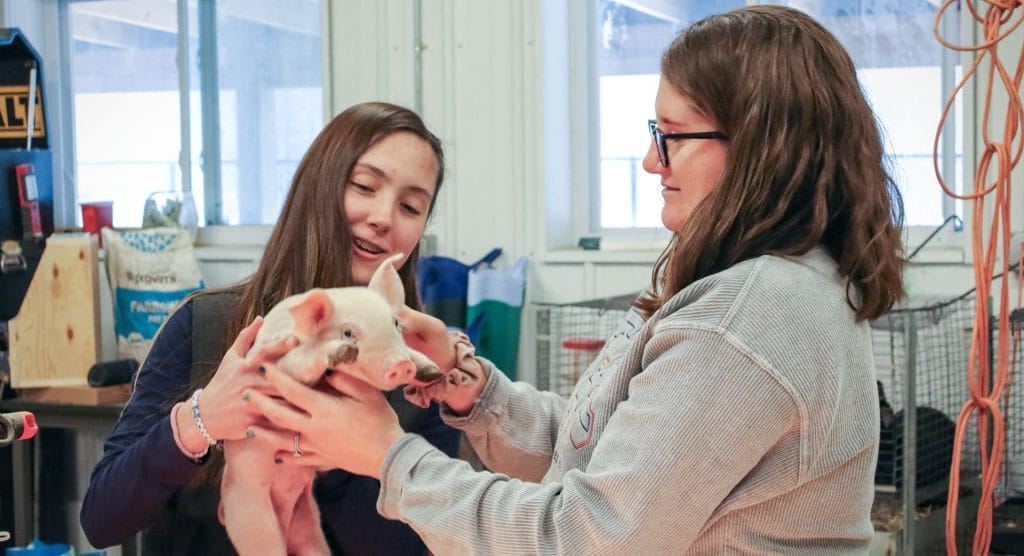
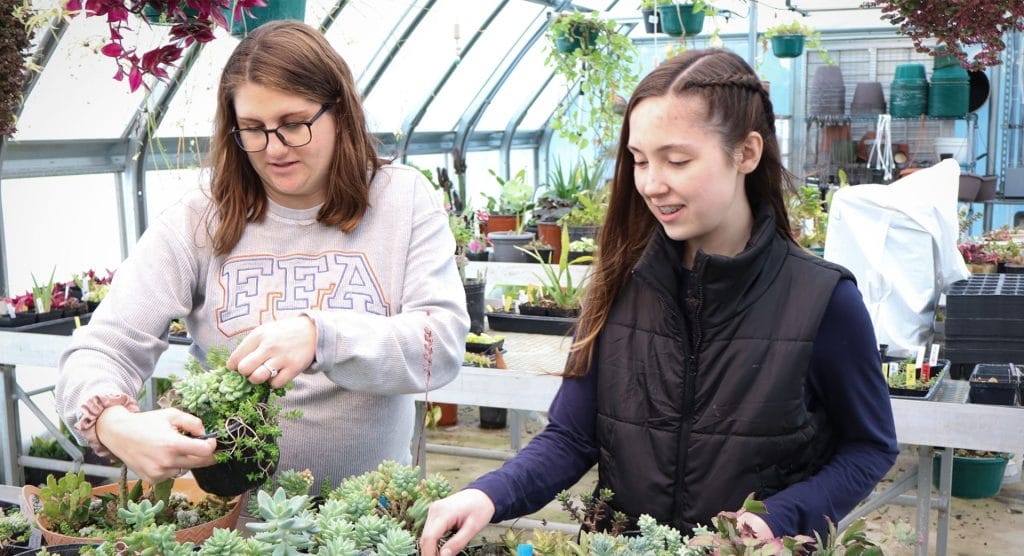
She’s really good at that and has just gotten better. And as she said, how it’s gotten her to consider other things that she wouldn’t have normally, I think that’s good for her. She’s talked about the teaching thing. She’s also considered doing something along the lines of horticulture. I’m curious to see what she really will end up doing. She came home the other night and said, “Oh, delivering the pigs. That was like the funnest thing I’ve ever done.” So it’s been good.
HANNAH BOWYER-RIVETTE: Mrs. Reterstoff is passionate about building strong relationships with her students. She leads with authenticity and honesty by sharing her own interests and being transparent about what she notices. She takes the time to know who her students are outside of the classroom and goes out of her way to support them and make them feel seen.
MRS. RETERSTOFF: Really, I think it comes down to being 100%. The person I am as a teacher is not any different than the person I am when I leave the building. And that does come down to sometimes that it’s like, “Yeah, you need to hear the honest truth on some things.” And I think a lot of kids value that, like they might not maybe have something like that at home, or for them to actually realize, like, “Hey, someone noticed enough to be honest with me,” is really valuable. I always start the beginning of my semesters or new classes with kids by giving them kind of a basic background presentation on who I am.
Like my favorite foods, my favorite color, just to kind of show them I’m a person too. I always tell them, “I don’t live at school.” When you’re little, you think your teacher just sleeps in the building, but I like to go out and also go to the movies or those sorts of things. So I think it just starts with having those honest conversations and being interested in what they’re doing, being kind of attuned to like, “How did the basketball game go last night?” And having just some in-person conversations, or informal, I should say, goes a long way.
HANNAH BOWYER-RIVETTE: In looking to the future, Jamie speaks about how Kodi will carry and build upon the skills she’s learned through Mrs. Reterstoff’s teaching. Even after she graduates, Kodi knows that she always has someone who will support her on any path she takes.
JAMIE HACKENBERG: I think, outside of the things we’ve talked about, how Kodi’s grown in her confidence, and she’s learned new skills that she’ll continue to use in her future, professionally, in school, all the things, I think she’s just going to continue to build on those things. And even as a start, I think that’s a great foundation for things yet to come. And just knowing even on a personal level, I think Kodi feels like she has, not another set of parents, but she has this resource that she can confide in and trust to ask the hard questions.
And know that if she needs more information on something like, “I’m thinking about doing this, can you give me some feedback?” And they’ll give her honest feedback and support her in different things. I mean, I think that’s just as valuable, and I think she’s happy to have that. I think that just helps add to everything she’s learning.
HANNAH BOWYER-RIVETTE: In reflecting on her teaching, Mrs. Reterstoff shares that the most rewarding moments are when she sees her students step outside of their comfort zones and achieve their goals. She enjoys watching her students’ determination in challenging themselves to discover new strengths. Even after they leave her classroom, she is there to be a steady source of support and encouragement.
MRS. RETERSTOFF: I love to see everyone leave here and be successful. Like Kodi, for example, we literally decided a week before the contest, she just did. We’re like, “Hey, you could do your speech from last year.” And she was like, “Oh, okay.” And we’re like, “Do you think you can have it memorized by Wednesday?” And she’s like, “I think so.” And literally came to school on Monday and said, “I have four of the eight paragraphs memorized.” And she competed against 10 people, and she got third place, probably by just a few points.
So to see kids have a desire to want to be successful at something, put in the work, and then be successful is really valuable for me as an educator. And that’s like the FFA portion, it can even come in the classroom when they make those real-world connections, or they were nervous about giving a presentation in class, and that went really well. Giving them that solid feedback and encouragement goes a long way.
So I really just enjoy my time as an educator. I still talk to some kids that I had as students in Ithaca, and actually, a couple of them are teachers now, and they’ll text me every once in a while and just say, “Hey, I thought of you, or I’m doing this in class.” And, to me, that is the most valuable thing I can get out of being a teacher is to see someone be successful, enjoy what they’re doing, and just be willing to reach back out to me if they even think of me or when they have questions on something. Because you’re a lifelong learner. I’m a lifelong learner. I am glad to help you where I can in the rest of your life.
HANNAH BOWYER-RIVETTE: Thank you so much for listening and joining us today to learn more about Kera Reterstoff, our March Honoree and recipient of the Honored National Teaching Award. To read more about her story, you can visit our website at honored.org or click the link in the episode description. If you have a teacher who you want to recognize and nominate for our teaching award, you can head to honored.org/nominate to recognize a teacher today. If you enjoyed today’s episode, you can follow us and leave us a review on whatever podcast platform you’re listening in from. Thanks again for listening, and make sure to tune in next month to hear the incredible story of our April Honoree.
Photography By:
Tucker Page
Your teacher could be featured on The Honored Podcast. Nominate them for our $5,000 Honored National Teaching Award!
More Honoree Stories


September
Madeline Gerena Franco
Whitney M. Young Magnet High School
Chicago, Illinois