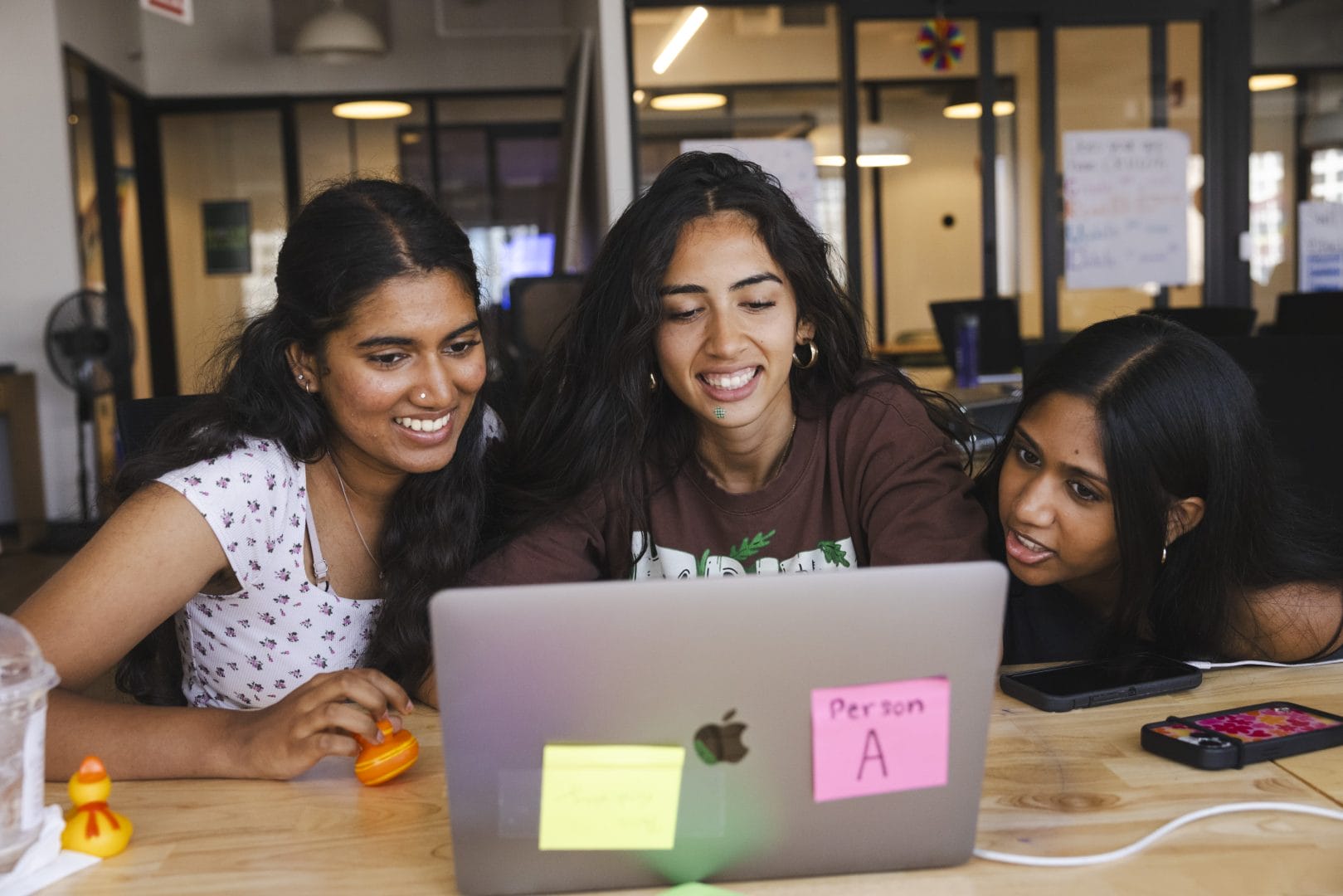
As we celebrate National Coding Week this September, we are excited to highlight the importance of STEM teachers and computer science learning for students across all ages, as it prepares students for life outside of academia.
Whether we are checking out at the grocery store, commuting to work, cooking dinner, or just checking the weather, technology is a part of our everyday lives. As technology continues to evolve and students choose their career paths, they will engage in a world that is fueled by technology, no matter the path they choose.
In preparing students for the future, learning how to code is about much more than just computer science; it teaches them critical thinking, resilience, and curiosity that strengthen their understanding of the world and can be applied to any future experiences.
Computer Science Teaches More Than Just Learning to Code
Computer science includes a range of skills that go beyond just learning to code. It helps students think through problems analytically, engage in big-picture thinking, and gain resilience through experimentation.
In conversation with our September 2026 Honoree, Madeline Gerena Franco, she shares how computer science teaches invaluable collaboration, communication, and creativity skills. She is passionate about cultivating a collaborative and engaging classroom community where students gain the confidence to follow their creativity and work through challenges as a team. In collaborating with others, students work on their communication skills and navigate verbalizing their thinking process clearly and confidently.
As one of her students, Joey, shared, “She breaks down really complicated terms and really complicated units into really small activities where we can truly understand the content that's given to us in a way that will be fun for us and the class.”
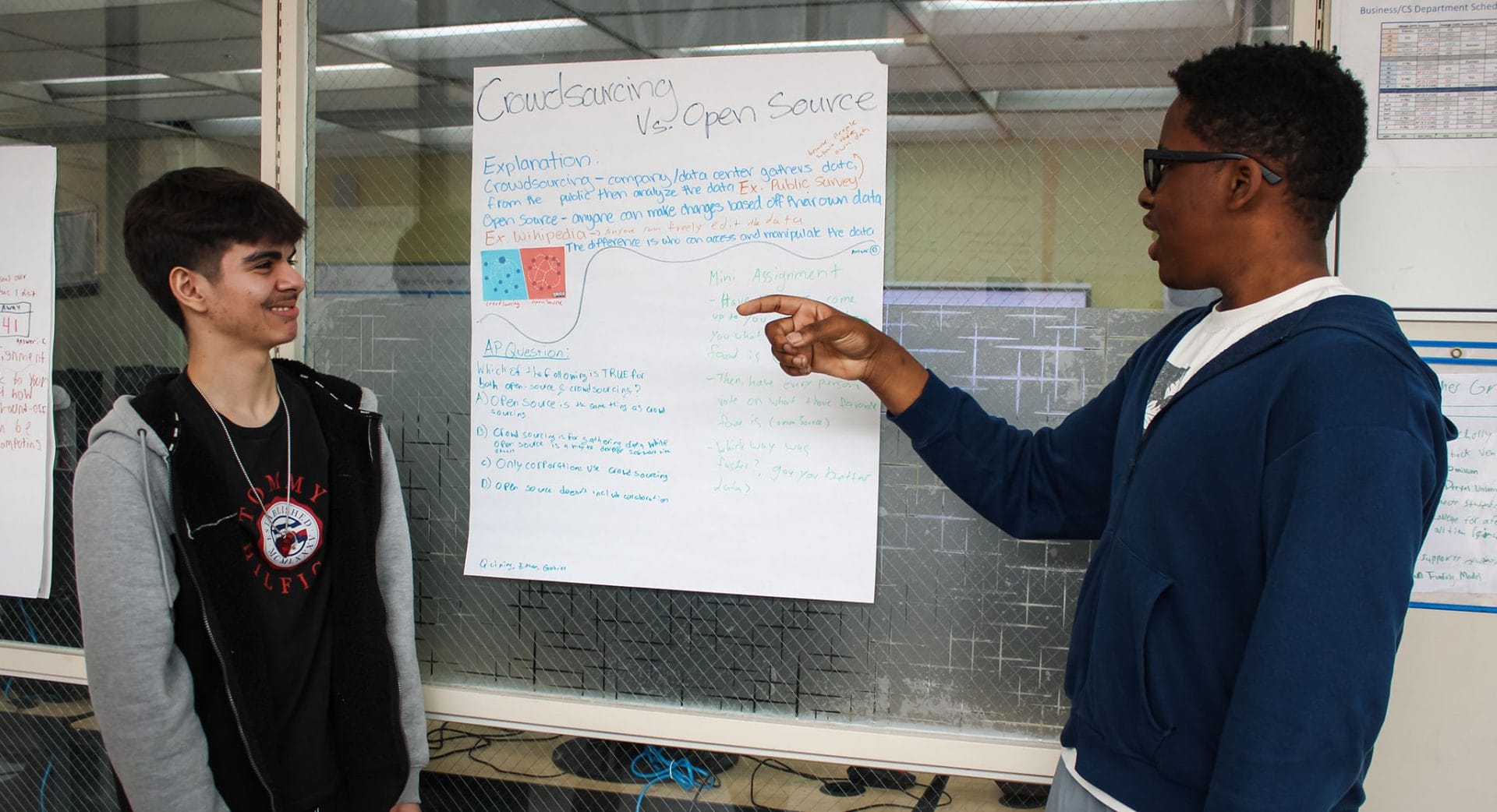
In thinking about applying these skills to their futures, regardless of the path students take after high school, these skills help them stand out and feel confident in their technical literacy. As the CEO of Kode With Klossy says, “I think this idea of pursuing coding as a vocational training, as opposed to a skill-building and a world-opening idea, that it doesn't have to be learn to code, get the job; it can be learn to code, build the skills, do whatever you want. And there's value in learning to do hard things, to face challenges, to be persistent, that journey is also part of the reward as well.”
Learning to Code Cultivates Community
Organizations such as Kode With Klossy are working hard to close the gender gap in technology through technical skill-building and a strong community environment.
Through their work, they have found that the “culture and environment of learning matters just as much” as technical skill-building. With a strong community, students feel safe to take risks, express their passions, and connect with like-minded individuals who push them to succeed.
Through community building, students support each other’s creativity and know they have a group that will help them overcome challenges and cheer them on. Students are more likely to stay engaged in computer science when they feel welcomed, supported, and surrounded by peers who share their passions.
Encouraging Minority Students to Engage With Computer Science
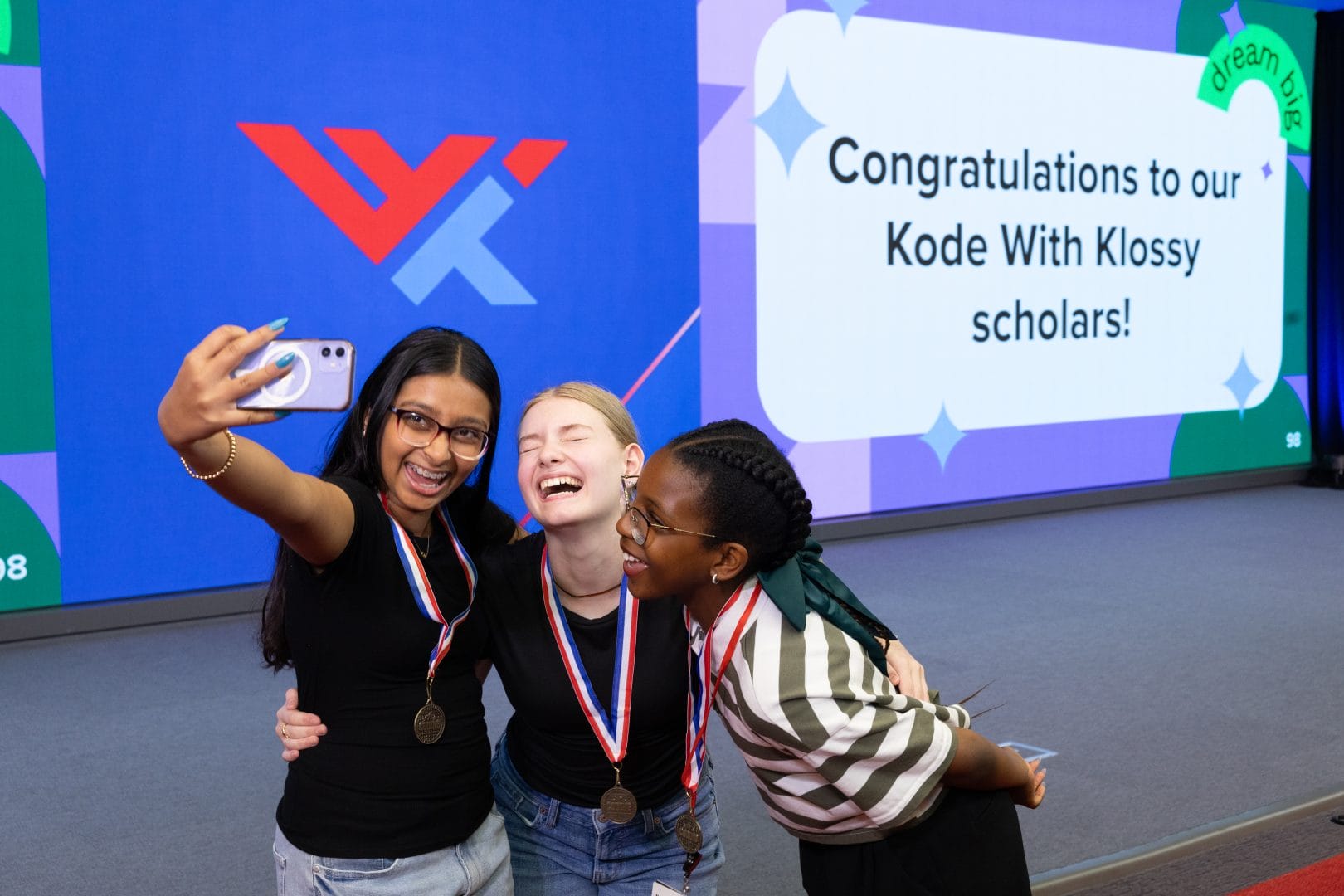
As Kode With Klossy is focused on closing the gender gap in technology, they have crafted programs for young women and gender expansive people from the ages of 13 and 26. Through their multi-year continuous programs, they support students in going from “curiosity to career.”
Backed by research, they know that young girls’ interest in STEM declines during their teenage years. Their programs are created to combat that decline in a way that is exciting and creates a community of like-minded individuals. When students see themselves reflected in experiences, they can picture themselves being involved in the same experiences.
As a female, Hispanic STEM educator, our September 2026 Honoree, Madeline Gerena Franco, is proud to be a role model for students who may face more barriers than others. In her words, she is hoping “for [her] minority students to feel represented, to feel seen.” By sharing her own experiences in technology, she challenges students’ stereotypes and is working toward closing the gender and ethnicity gap in computer science to empower students to follow their passions.
Teaching Students to be Responsible Users of AI
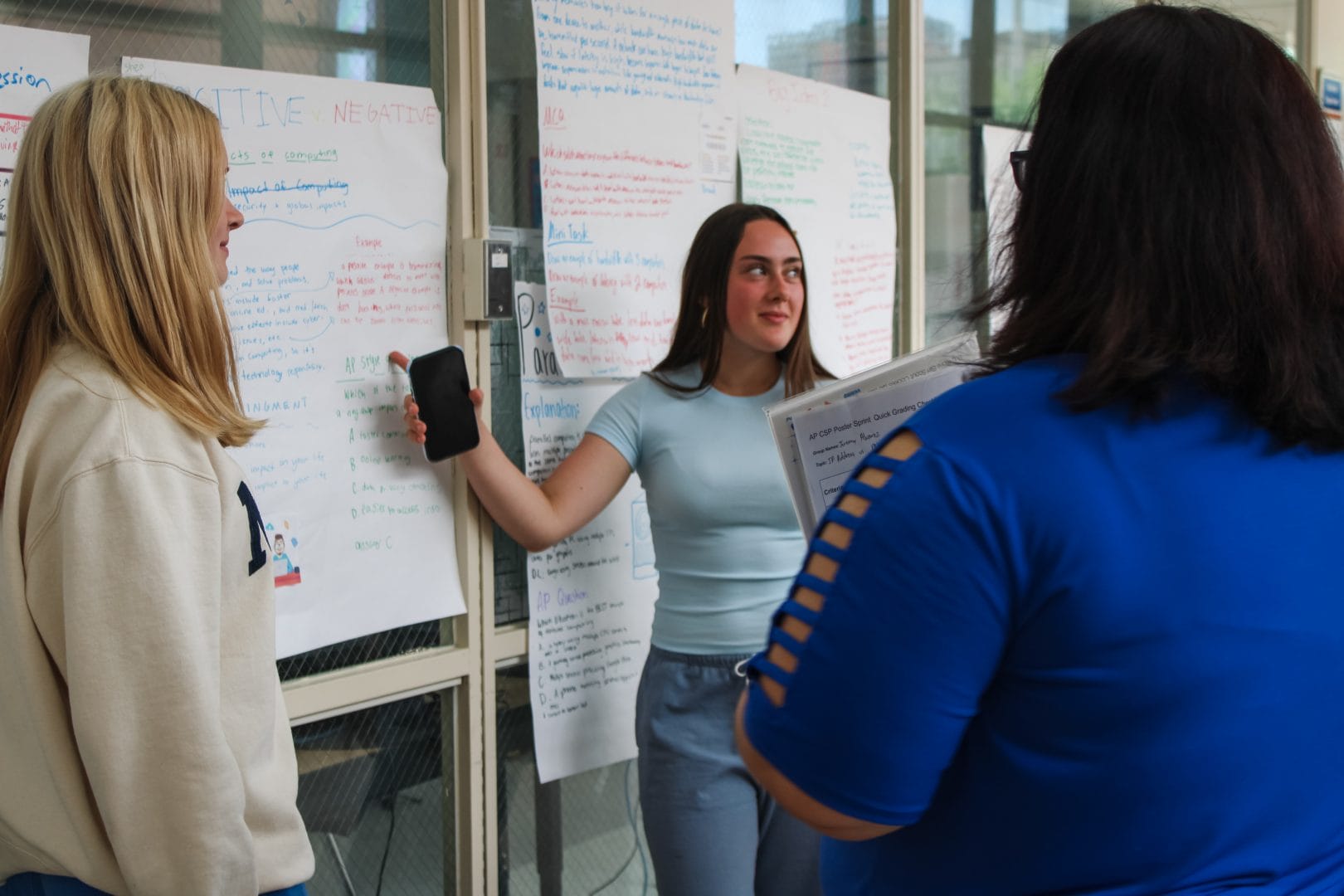
As artificial intelligence is on the rise, computer science also teaches students to become responsible builders and inventors of AI. As Osi Imeokparia shared, “it's actually not sufficient in [Kode With Klossy’s] minds that young women are just using technology that other people built. We want to think about the building and invention side as well.”
Through their programs, Kode With Klossy instills an AI habits framework that teaches students to have high agency and critical thinking skills when interacting with AI. This type of framework is invaluable in building the next generation of creators who think critically about the ethics and implications of technology.
In conversation with our September 2026 Honoree, Madeline Gerena Franco, she shares how she encourages students to view technology as a tool; one that has the ability to both help and hinder them. She encourages her students to think critically about bias, overreliance on technology, and the broader impacts it has on our everyday lives.
As technology continues to evolve and shape our world, organizations like Kode With Klossy and incredible educators like Madeline Gerena Franco are supporting students in becoming critical and ethical users of technology. Whether pursuing a career in technology or not, students gain invaluable skills through computer science learning that support them in any future endeavors.
If you have a teacher who has made a difference in your life through computer science learning, nominate them for our $5,000 Honored National Teaching Award!