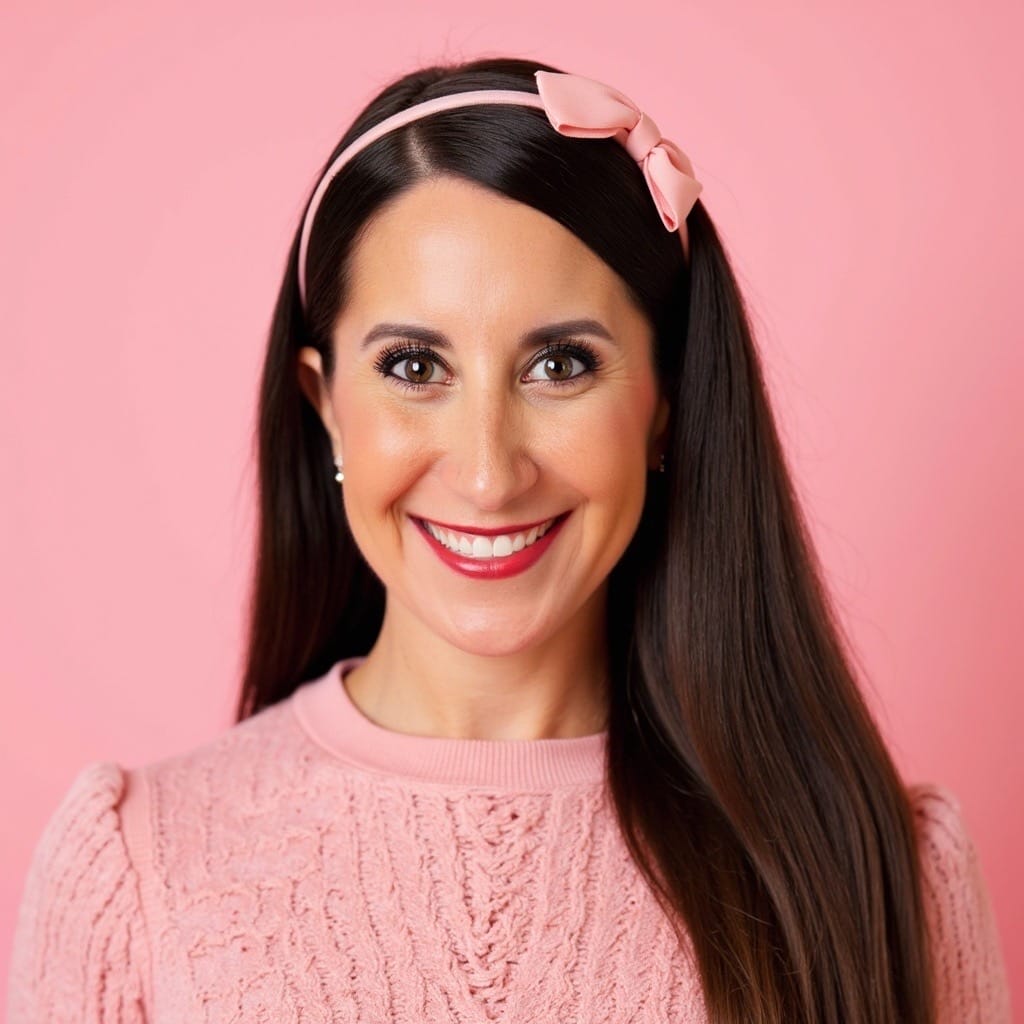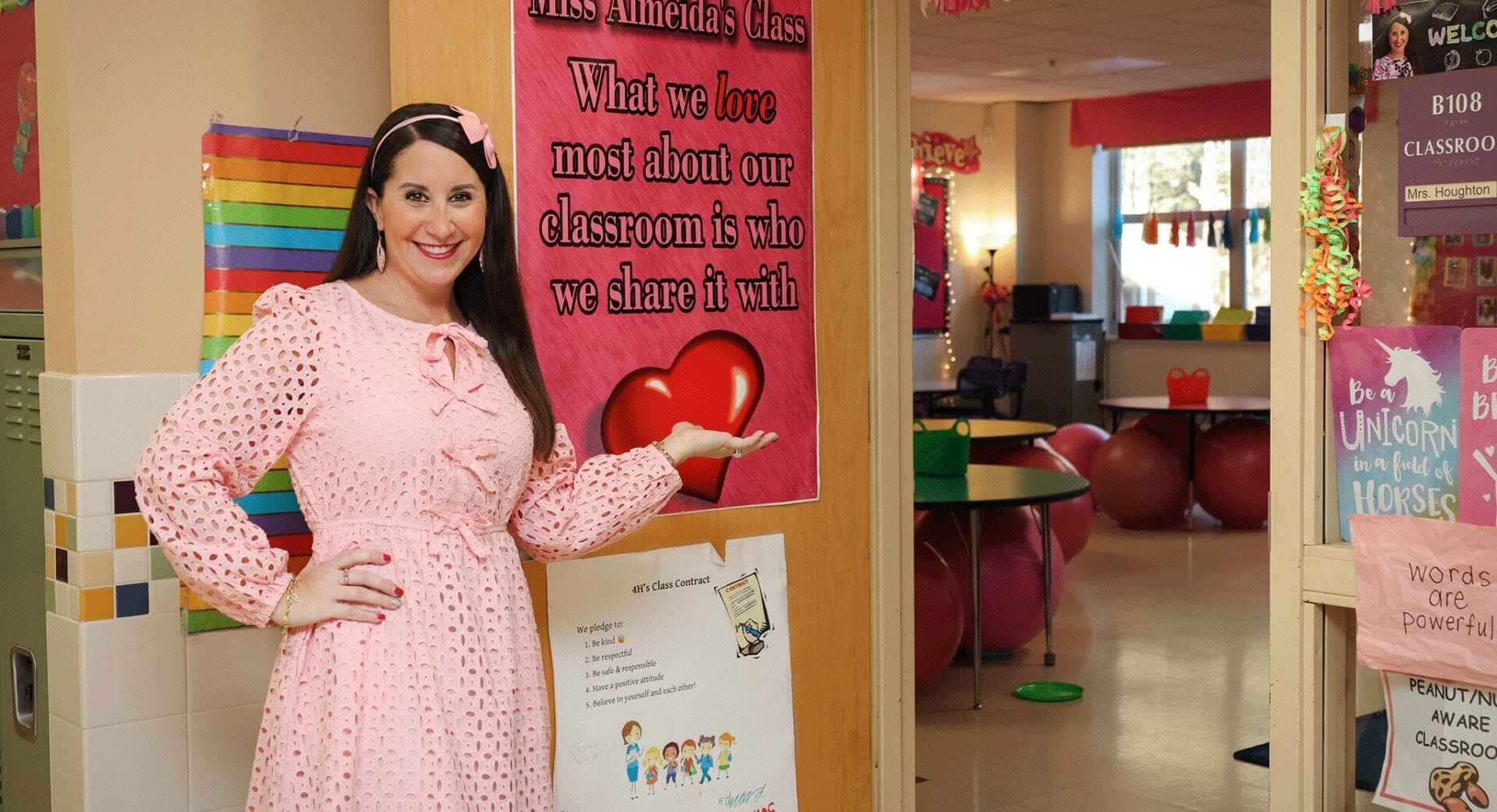
Every morning, my fourth graders walk through my classroom door carrying much more than backpacks and lunchboxes. They bring excitement, worries, triumphs, insecurities, and stories from home. Before we ever open a math book or begin a reading lesson, we gather together for Morning Meeting. We greet one another by name. We share pieces of our lives. We laugh. We listen. We connect.
To an outside observer, it may look like a simple classroom routine. But over my twenty-one years in education, I have come to believe that something much deeper is happening. Children are constantly developing beliefs about themselves. Through our daily interactions, routines, relationships, and language, they are gathering evidence about who they are, whether they belong, whether their voice matters, and what they are capable of accomplishing.
As educators, we spend tremendous amounts of time thinking about the lessons we teach. We carefully plan instruction, analyze data, and design learning experiences. Yet some of the most important lessons we teach are never written in a curriculum guide. They are the messages students receive about themselves.
That belief influences nearly every decision I make in my classroom.
Morning and Closing Meetings
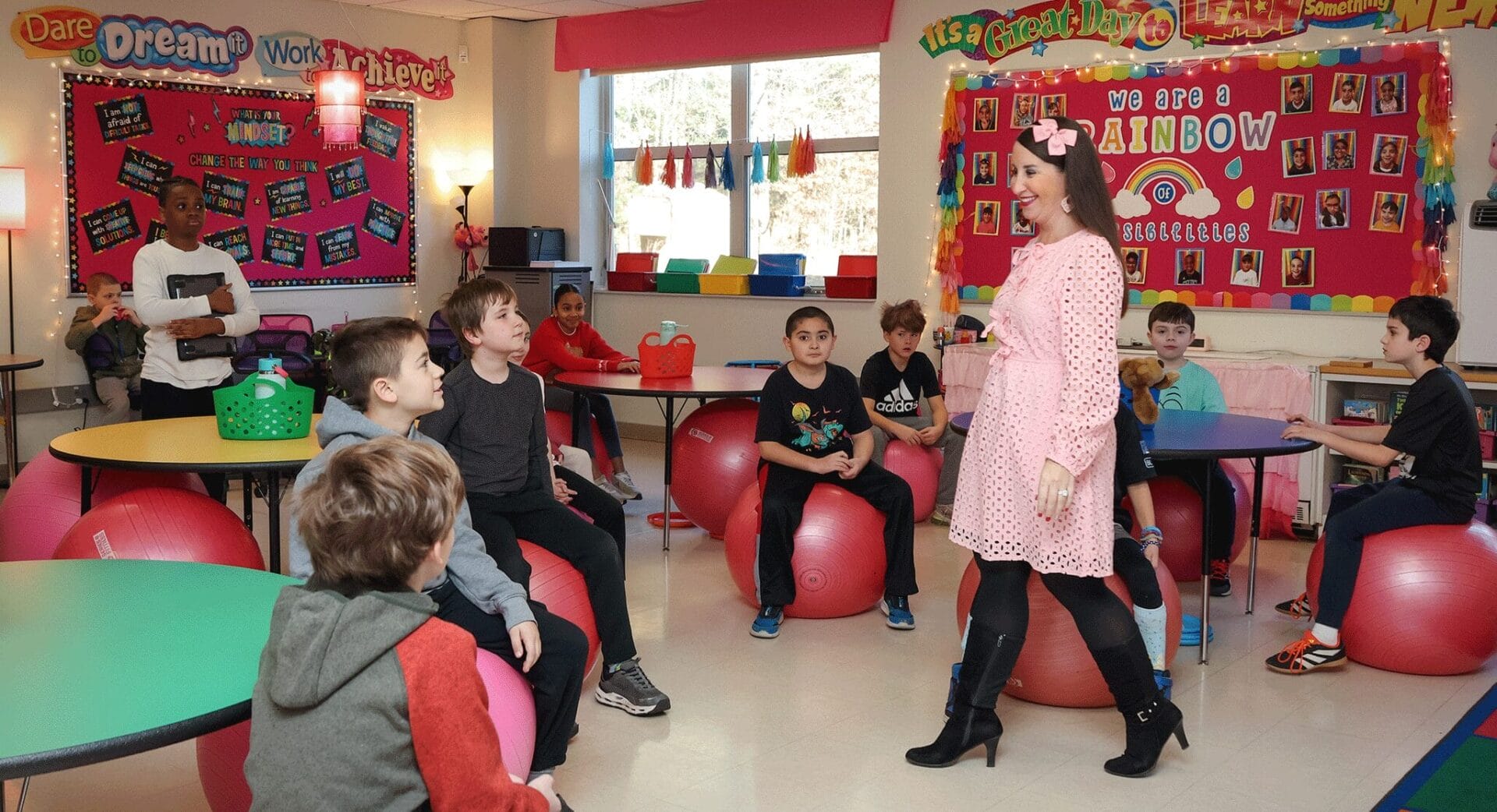
Morning Meeting is one of the most important parts of our day because it establishes something every child needs before meaningful learning can occur: belonging. When students gather together each morning, they know they will be seen and heard. The quiet child has an opportunity to share. The student who had a difficult day yesterday gets a fresh start. Every child has a voice and every child matters. Over time, students begin to understand that they are valued not because of a test score or academic achievement, but because they are an important member of our classroom community. We end each day the same way with a Closing Meeting where we come back together to reflect on the highlights of our day, celebrate successes, and reconnect before heading home to our families.

Our Language is Important
I believe language is one of the most powerful tools we possess as educators. The words we choose become part of the internal dialogue our students carry with them long after they leave our classrooms. That is why I am incredibly intentional about the messages my students hear every day.
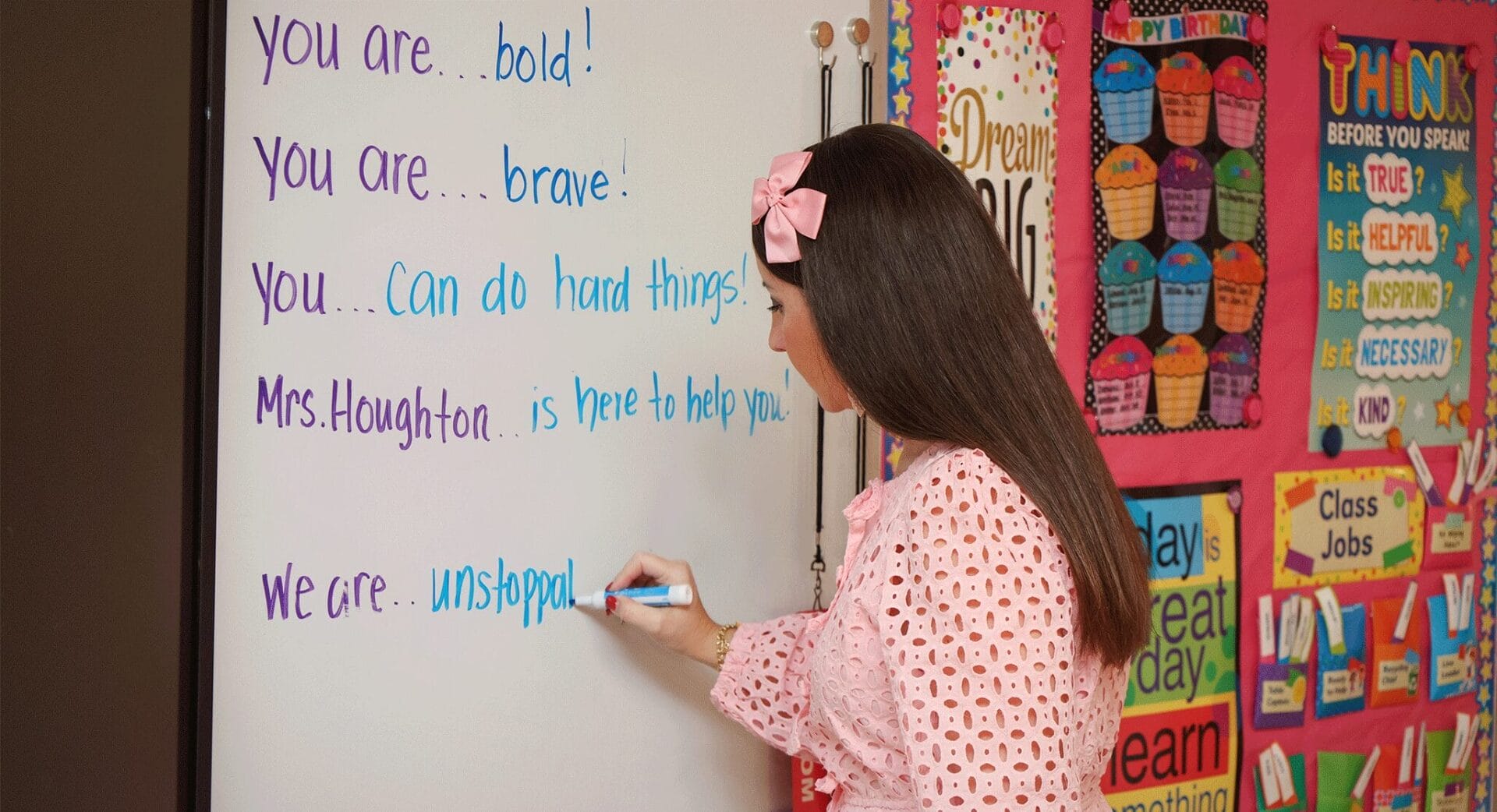
Throughout the year, my students and I begin many mornings with a chant that has become part of our classroom identity:
"We are brave! We are bold! We can do hard things! Mrs. Houghton is here to help us! We are unstoppable today!"
Before students tackle a challenging math problem, begin a new writing assignment, or face something difficult in the classroom or their personal lives, they say these words and are reminded of who they are and what they are capable of.
Sometimes those messages are delivered through music. On difficult days, when energy is low or confidence is wavering, or maybe just before we start our day, you might find our classroom having a dance party to Sia's "Unstoppable." Sometimes they are delivered through stories. I read picture books to my students nearly every day because I have always believed they contain some of life's most powerful lessons. Through stories, we explore kindness, courage, empathy, perseverance, belonging, gratitude, acceptance, and resilience. The conversations that emerge from those books often become some of the most meaningful discussions we have all year. They become stories we return to again and again throughout the year, reminding us of the important lessons we learned together.
Celebrating Students
I am equally intentional about how I praise students. Praise, in my classroom, is never simply about compliance or getting the right answer. Of course I celebrate hard work, perseverance, and positive choices, but I also look for opportunities to help students recognize the unique gifts each person brings to our classroom community. I might point out a student's kindness, creativity, empathy, leadership, determination, bravery, courage to stand up for what is right, or ability to make others feel included. In doing so, I am not only helping that child feel seen; I am helping every child in the room recognize the strengths and value of others. Over time, students begin to celebrate those qualities in one another without my prompting, creating a classroom culture where differences are valued and every child feels they belong.
The words we speak matter.
The stories we share matter.
The messages we repeat matter.
Because eventually, those messages become beliefs.
Perhaps the most important message my students hear from me is also the simplest: "I love you." Not once at the beginning of the year. Not on a special occasion. Every day. Multiple times a day. And I mean it.
I know that for some people, that statement may feel unusual in a classroom. For me, it is one of the most important things I can say. Children need to know they are loved, valued, and worthy simply because of who they are. I tell my students I love them when they succeed and when they struggle, when they make great choices and when they make mistakes. Because love should never feel conditional. I want every child who walks through my classroom door to know there is at least one adult in the building who believes in them wholeheartedly, sees the good in them, and is rooting for them every single day.
Relationship-Building
Over the years, I have also learned something that can feel counterintuitive in today's educational climate: sometimes the most important thing you can do is pause the lesson. There have been countless times when I have looked around the room and realized that what my students needed most in that moment was not another math problem, reading strategy, or writing assignment. They needed connection. Sometimes that means sitting down on the rug together and having an honest conversation. It means listening to their concerns, celebrating their successes, talking through a conflict, or simply sharing stories from our lives. Those moments are never wasted. They are the moments when trust is built, community is strengthened, and students learn that they matter more than the lesson I had planned.
Relationships create the conditions that allow learning to flourish. At Open House each year, I tell parents something I firmly believe: "Children need to think that we care before they care what we think." Before students care about our feedback, they need to trust us. Before they take academic risks, they need to feel safe. Before they believe in themselves, they need to know that someone else believes in them first.
Students will work harder, take greater risks, persevere longer, and show more grit when they know they are deeply known and genuinely cared for. When students trust their teacher and feel connected to their peers, they are far more willing to raise a hand, share an idea, attempt something challenging, or make a mistake and try again.
I firmly believe that the minutes we spend building relationships are not taking away from learning. They are making learning possible.
Building strong relationships also requires vulnerability. My students know that I am a real person, not simply their teacher. They know about my husband and family. They know about my love of travel, skiing, and dancing. They know about adventures I've had, places I've visited, and lessons I've learned along the way. This year, they walked alongside me through one of the most challenging experiences of my life as I recovered from a significant knee injury and surgery. I shared pieces of that journey with them, and in return they celebrated my progress, encouraged me through setbacks, and reminded me daily of the power of community.
Student-Led Conferences
One of the most powerful examples of putting these beliefs into practice occurs during our Student-Led Conferences. Traditional conferences often involve adults talking about students. Student-Led Conferences place students at the center of the conversation.
Throughout the year, students collect work samples, reflections, assessments, and evidence of growth in their portfolios. During conferences, they take the lead. They analyze their work, identify strengths, discuss challenges, reflect on their growth, and share goals for the future with their families.
Watching this process unfold is remarkable. Students who may not always recognize their own growth suddenly begin to see it. They compare writing pieces from different points in the year. They notice improvements in their problem-solving skills. They reflect on goals they have accomplished and identify new ones they want to pursue.
The most important thing happening during the conference is not what is being said out loud. It is what is happening inside the child's mind. As students reflect on their progress and articulate their learning, they begin to strengthen their own self perception as capable learners. They develop ownership over their growth and begin to understand that success is not something that happens to them, but rather it is something they actively contribute to through effort, perseverance, and reflection. This is neuroplasticity at its best. Their brains are being rewired to believe they can grow, improve, and achieve their goals, and their subconscious mind begins working alongside them, helping them notice opportunities and possibilities they may not have seen before.
Over the years, I have become increasingly convinced that what children believe about themselves matters. If a child believes they are incapable, they often stop trying. If a child believes they are not valued, they often withdraw. But when a child believes they belong, that their voice matters, and that they are capable of growth, amazing things happen. They take risks. They persevere. They recover from setbacks. They discover strengths they did not know they possessed.
Every day, my students are collecting evidence about who they are becoming. My hope is that the evidence they collect in my classroom helps them build beliefs that will carry them long after they leave my care: that they belong, that they are capable, that they matter, that they are loved, and that they can do hard things.
Those are the beliefs we build!