
Every year, much ink is spilled both in schools and in the media about how to improve academic outcomes for students. However, many of those conversations overlook one of the most critical factors in achieving those outcomes: student engagement.
What exactly is student engagement? It’s defined as a student’s involvement in and enthusiasm for school, according to Gallup. The publication School Engagement: Potential of the Concept, State of the Evidence further breaks it down into three subtypes: behavioral, emotional, and cognitive. These three types of engagement all work together to improve student success. As explained by Dr. Essie Sutton, “When students have a good relationship with their teachers and classmates and feel a sense of belonging to their school (emotional engagement), they may be more likely to participate in class discussions and activities (behavioral engagement). Over time, this can lead to a stronger commitment and investment in their learning (cognitive engagement).”
Why Student Engagement is Important:
Research shows that increased student engagement is an important piece of teaching, as improved engagement leads to improved academic outcomes and higher student success. 93% of educators surveyed agreed that student engagement is a critical metric for understanding overall achievement, according to Education Insights 2025–2026: Fueling Learning Through Engagement report. They also found that 80% of students report struggling with boredom at least once a week.
When students feel more engaged in the classroom, they are:
- More likely to participate in class.
- Feel more equipped to tackle learning and personal challenges.
- Have more excitement in showing up to class every day.
- Enjoy the learning process.
- Feel a sense of belonging and community in the classroom.
Student engagement has lifelong impacts as it sets students up for success in their post-high school careers. Whether students enroll in college or enter the workforce, the confidence and skills they build through engagement carry with them into their futures.
Four Ways Teachers Can Improve Student Engagement:
So how can teachers increase student engagement in their classrooms? For the answer, we turned to some of our nation’s life-changing teachers, recipients of the $5,000 Honored National Teaching Award, for their best practices on keeping students engaged.
1. Create a Space Where Students Feel Accepted
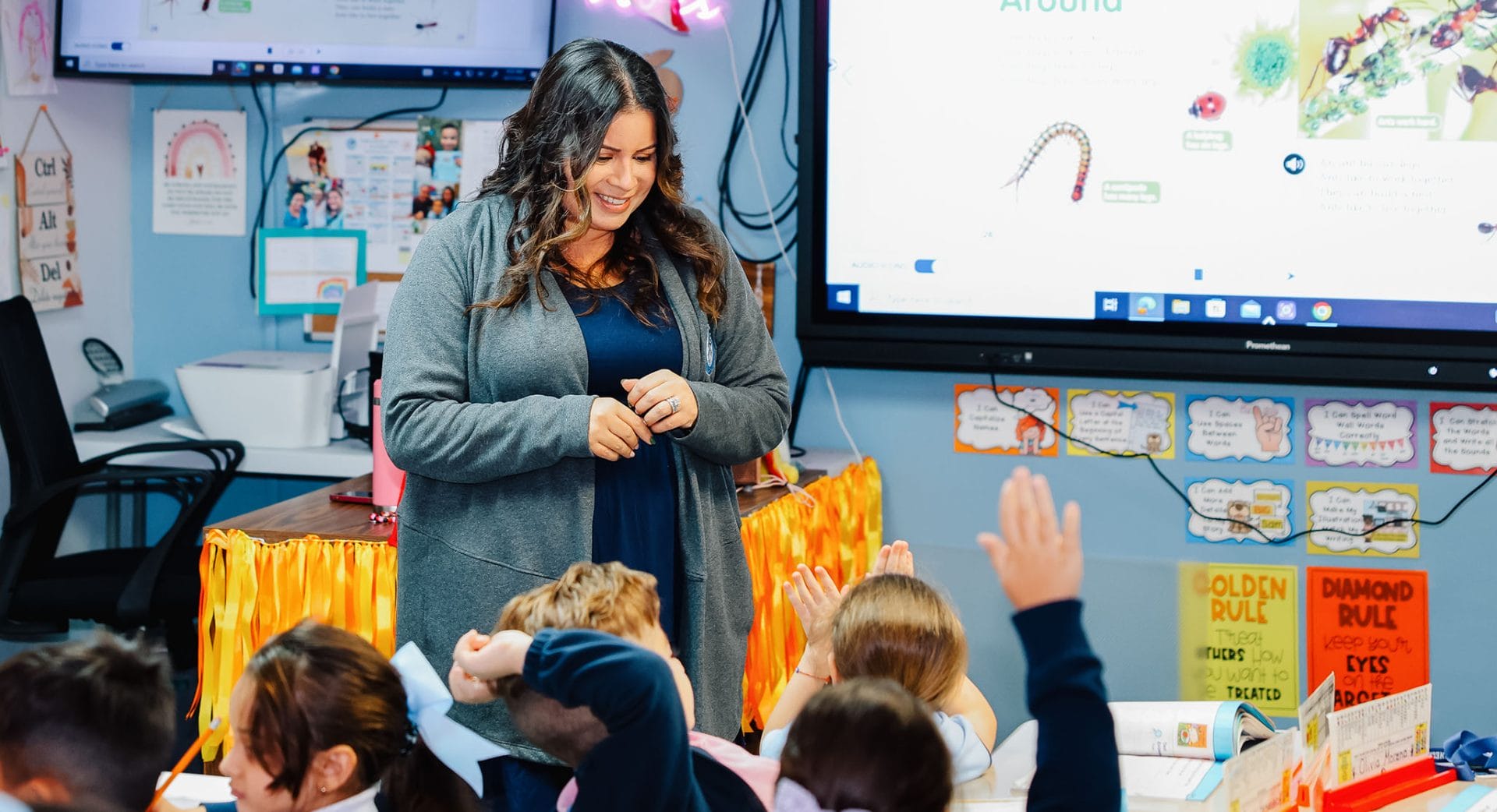
Mrs. Fernandez has a gift for cultivating a safe space where students feel comfortable and encouraged to be themselves. She cultivates an environment of acceptance and understanding where it’s okay to make mistakes and try new things.
Fueled by her own experiences in the classroom as a first-generation student from immigrant parents, she is passionate about ensuring all students feel accepted and capable of success. She not only instills practices to celebrate your successes and grow from challenges, but she also creates a space where students celebrate each other as well, creating a true classroom community.
2. Empower Students to Take Ownership of Their Learning
Fourth-grade teacher Devon Houghton empowers her students through student-led conferences. When report cards come out, she gives her students a digital template to note their strengths and areas of focus. For Devon, it is important for her to hear her students’ perspectives on how they think they are doing in the classroom.
Her former student, Sammy, spoke about how preparing these presentations and reflecting on her progress built her confidence. Not only did this give her a chance to reflect on her work, but she also received meaningful feedback from her teacher to support her in setting goals.
3. Focus on Building Trusting Relationships
Twelfth-grade English teacher Candence Jones takes the time to learn about her students throughout their high school years to cultivate long-lasting relationships. She also starts each semester by having her students write something they want her to know on an index card. This practice allows them to share anything they want in a private and individualized way.
In a school with a large population of students experiencing familial and housing challenges, she is passionate about meeting students where they are. In her words, "I have to make myself accessible, relatable, and I have to be so understanding. Once you get those kids to trust you, then they'll break down walls for you."

4. Build a Strong Classroom Community
High school English teacher Omar Lisojo starts every class with a quote of the day and a journal question unrelated to their academics. Through this practice, his students then interact and socialize with each other. In his words, “I really feel like it builds community within the classroom and at the end of the day, that’s what it’s all about in my opinion.”
He also loves to take time in class to answer students’ questions about life outside of high school. Whether they have questions about the stressors they are facing in their personal life or about college, he is always there to pause the class to have real-life conversations. By giving students a moment away from academics and creating an environment where students feel safe to ask personal questions, he reminds them that he cares about them on a personal level.
Although student engagement can be a daily challenge teachers face, there are many ways to improve engagement and connect with their students. If you have a teacher who has made an impact in your life and helped you feel more engaged in the classroom, share your story and nominate them for our $5,000 Honored National Teaching Award!